

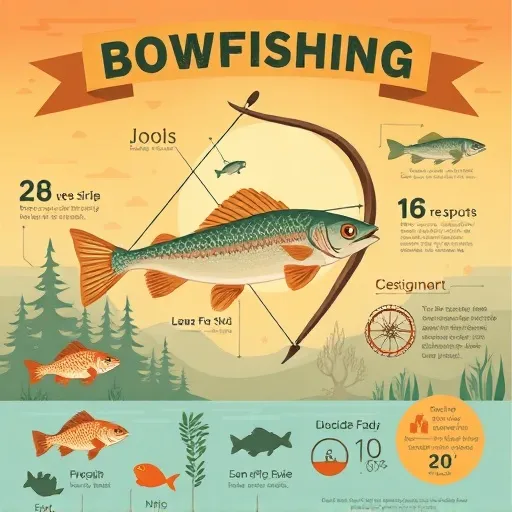
Bowfishing archery m
The Basic Concept: Archery Meets Fishing
So, what is bowfishing? At its core, it's exactly what it sounds like — archery and fishing mashed together into one seriously hands-on outdoor sport. People have been shooting fish with bows for thousands of years, by the way. You can find it in historical artwork and hear about it in traditional practices across tons of cultures worldwide. But here's what's different today: the equipment. Modern bowfishing setups are purpose-built machines, complete with specialized reels, rugged arrows, and bows engineered to shoot accurately at close range in low-light conditions. Understanding what is bowfishing really comes down to grasping how these tools work together.
The typical bowfishing scenario looks a little something like this: you're on a boat (or wading through shallow water), moving slowly through areas where fish like carp, gar, and other rough fish like to congregate. A spotlight or specialized lighting rig illuminates the water. When you spot a fish, you draw, aim below it (more on that physics quirk in a sec), and release. The arrow strikes, the line pays out from the reel, and you haul in your catch. This is what what is bowfishing looks like in action — it's active, it's visual, and it's a whole lot more hands-on than sitting in a chair waiting for a bobber to dip.
Why Aim Below the Fish? The Refraction Factor in Bowfishing Optics
Here's the thing that trips up every beginner learning what is bowfishing: water bends light. This optical phenomenon, called refraction, makes fish appear higher and closer to the surface than they actually are. If you aim directly at the fish you see, you'll shoot right over it nearly every single time. Experienced bowfishers learn to aim low — often several inches below the fish, depending on the angle and depth. It takes practice to develop that instinct, which is why seasoned practitioners recommend starting in shallow, clear water where you can calibrate your aim quickly. This refraction factor is honestly the number one thing people need to understand when they ask what is bowfishing all about.
This is also why bowfishing is often described as a sport of repetition and feel. You're not just learning to shoot; you're training your brain to correct for a visual distortion that happens automatically every time you look into the water. Once it clicks, though, it becomes second nature. That's the magic of what is bowfishing — your body just starts adjusting without you even thinking about it.
The Essential Bowfishing Gear and Equipment You Need to Get Started
One of the great things about what is bowfishing is that the barrier to entry is relatively low compared to many other outdoor sports. You don't need a massive budget or a ton of specialized knowledge to get going. Here's the core equipment:
- Bowfishing Bow: Purpose-built bows are common, but many people adapt a standard compound bow with a bowfishing kit. Draw weights are typically lower than hunting setups — often in the 30–50 pound range — because shots are close and you'll be drawing frequently. Traditional recurves are popular too, especially among those who enjoy a more stripped-down experience.
- Bowfishing Reel: This is the defining piece of gear. Unlike a standard fishing reel, bowfishing reels are designed to hold a line that's attached to the arrow and let it pay out smoothly when you shoot. There are several types — hand-wrap, bottle-style, and spinning reels built specifically for bowfishing.
- Arrows and Points: Bowfishing arrows are heavier and more durable than standard arrows. They're usually made of solid fiberglass or aluminum and feature a barbed point designed to hold the fish. The barbs are typically removable or reversible so you can extract the arrow easily.
- Safety Slide and Line: A safety slide system prevents the line from tangling or snapping back dangerously. Never skip this — safety gear matters.
- Lighting: If you're night fishing (which is common), you'll need a lighting setup. Many boats are rigged with LED light bars or specialized spotlights designed for illuminating shallow water.
- Protective Gear: Polarized sunglasses are essential for daytime shooting to cut glare and help you see fish below the surface. Gloves and arm guards are also smart additions.
One helpful tip from experienced hands: don't overthink your first setup. A basic bowfishing kit from a reputable outdoor retailer will get you on the water without breaking the bank. You can upgrade later once you know what you like. That's the beauty of what is bowfishing — you can start simple and grow into it.
Where and When Do People Bowfish? Habitats, Seasons, and Species
Bowfishing is typically done in shallow water — lakes, rivers, reservoirs, bays, and even some coastal areas. The fish most commonly targeted are what many anglers call rough fish or trash fish, though the terminology varies by region. Common targets include carp, gar, buffalo fish, and suckers. In some areas, invasive species are a primary focus, and bowfishing is actually encouraged as a management tool to help control populations that damage native ecosystems. This conservation angle is a big part of what is bowfishing in practice.
Timing matters a lot. Many bowfishers prefer nighttime, when certain fish move into the shallows to feed and the glare on the water is reduced. Spotlights make fish easier to spot, and the quiet of night adds a whole different atmosphere to the experience. Daytime bowfishing is also popular, especially during spawning seasons when fish congregate in shallow areas. Spring and early summer tend to be peak times in many regions.
It's worth noting that bowfishing isn't legal everywhere, and regulations vary significantly from one region to the next. Some areas have specific seasons, bag limits, and gear restrictions. Always check with your local wildlife authority before heading out. This is one of those situations where a little homework goes a long way — and it's a key part of understanding what is bowfishing responsibly.
Is Bowfishing Ethical? The Conservation and Sustainability Conversation
Any time a new outdoor activity grows in popularity, questions about ethics and sustainability come up — and bowfishing is no exception. The sport has its share of critics, and it's worth addressing the conversation honestly when discussing what is bowfishing.
Supporters point out that bowfishing primarily targets abundant or invasive species, that it's a selective form of harvest (you see the fish before you shoot), and that in many regions it serves a genuine conservation purpose by removing fish that outcompete native species. Many industry professionals emphasize the importance of proper disposal and ethical treatment of harvested fish — not wasting what you take and following all regulations closely.
Critics raise concerns about wounding loss (fish that are struck but not recovered) and about the treatment of non-target species. The responsible approach, according to seasoned practitioners, is straightforward: know your target, follow the law, use appropriate gear, and treat the resource with respect. Like any outdoor pursuit, the actions of a few irresponsible participants can shape public perception, so the community tends to emphasize education and stewardship.
If you're new to the sport, seek out experienced mentors or local clubs. Many regions have active bowfishing communities that welcome newcomers and emphasize ethical practices. A good mentor will teach you not just how to shoot, but how to read the water, identify species, and handle your catch properly. That's a huge part of what is bowfishing at its best.
Bowfishing vs. Traditional Fishing: Key Differences in Method and Experience
People often ask how bowfishing compares to traditional angling. The biggest difference is the visual, active nature of bowfishing. With a rod and reel, you're often fishing blind — casting and waiting, relying on feel and patience. With bowfishing, you're actively scanning the water, spotting fish, and making a shot. It's more like hunting than traditional fishing in many ways. You're stalking, observing, and reacting. This contrast is really at the heart of what is bowfishing — it's a different mindset entirely.
The learning curve is also different. Casting accuracy takes practice, but shooting a bow at a fish under water adds a layer of difficulty that's unique. And the gear is distinct enough that most people treat them as separate pursuits. That said, many anglers enjoy both — they complement each other nicely and get you on the water in different ways and different seasons.
Getting Started with Bowfishing: Practical First Steps for Beginners
Ready to give what is bowfishing a try? Here's a simple roadmap:
- Check your local regulations first. This is non-negotiable. Rules vary widely, and you need to know what's legal in your area before you buy gear or head out.
- Start with a basic kit. A bowfishing-ready bow, a reel, a couple of arrows, and a safety slide will get you going. Don't feel pressured to buy top-tier gear immediately.
- Practice on land first. Get comfortable drawing and shooting your setup before you add the complication of water, moving targets, and low light.
- Go with someone experienced. A mentor accelerates your learning curve dramatically — especially when it comes to aiming below the fish and reading water conditions.
- Choose easy water first. Shallow, clear water with abundant fish is ideal for beginners. Save the challenging conditions for later.
- Prioritize safety. Always use a safety slide, never shoot near other people, and be mindful of your surroundings. A moment of carelessness on the water can turn serious quickly.
The Growing Appeal of Bowfishing in 2026 and Common Misconceptions
So why is bowfishing booming right now? A few reasons stand out. First, it's accessible — you don't need a huge boat or expensive gear to get started. Second, it's visually engaging in a way that translates well to social media, which has helped introduce the sport to new audiences. Third, it appeals to people who want a more active, hands-on outdoor experience. And fourth, in many regions, it serves a real conservation purpose, which resonates with people who care about ecosystem health. The community around bowfishing also tends to be welcoming and enthusiastic, with local clubs, tournaments, and organized shoots giving newcomers a clear entry point.
Let's also clear up a few things people often get wrong about what is bowfishing:
- "It's just shooting fish in a barrel." Not even close. Aiming under refraction, tracking moving fish, and managing your line and reel all require real skill. It's challenging, and that's part of the appeal.
- "You can do it anywhere." Definitely not. Regulations vary enormously, and many waters are off-limits. Always check first.
- "Any bow will work." Technically you can adapt many bows, but purpose-built setups are safer and more effective. The reel and safety slide systems exist for good reasons.
- "It's purely a niche pastime." The sport has a broad and growing demographic — families, conservation-minded outdoorspeople, archery enthusiasts, and casual weekend adventurers all participate.
At the end of the day, what is bowfishing? It's archery applied to fishing — a hands-on, visually driven outdoor sport that's growing fast for good reason. It combines the precision of archery with the challenge of reading water and the rewards of time spent outdoors. Whether you're drawn to it for the challenge, the conservation angle, or simply the chance to try something new, it's worth exploring. Just remember: start with the rules, start simple, and go with someone who knows the ropes. Do that, and you'll be spotting fish and making shots before you know it. Now that you know what is bowfishing, the water's waiting — grab a bow and see what all the fuss is about.