

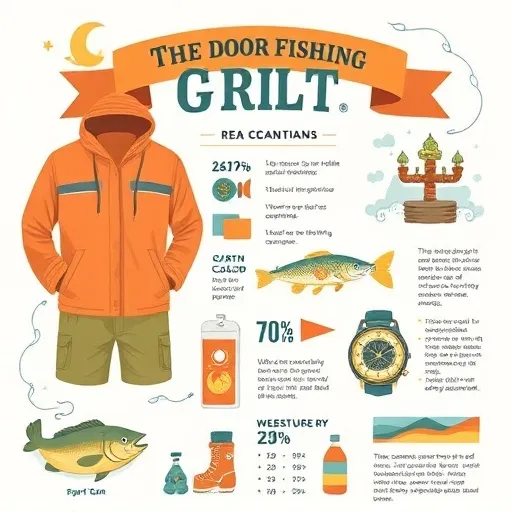
Fishing gear vs hars
Why Outdoor Fishing Apparel Deserves Real Attention
Fishing puts you in a spot where the environment is basically always working against your comfort. You're up against spray, rain, wind, brutal UV exposure, and temperature swings that can go from a chilly morning to a scorching afternoon in just a couple of hours. Your regular gym clothes? They're just not built for that kind of punishment. That's exactly why outdoor fishing apparel deserves way more attention than most anglers give it.No Deposit Bonus
Purpose-built outdoor fishing apparel tackles these problems head-on. Today's fishing shirts, pants, jackets, and accessories are engineered with fabric technologies that manage moisture, block UV rays, resist odor, and dry quickly. The payoff isn't just comfort — it's real performance. When you're not distracted by chafing, overheating, or squinting through glare, you simply fish better. Anglers who invest in quality outdoor fishing apparel consistently report longer, more enjoyable sessions and fewer post-trip regrets. That's not marketing fluff — it's just the practical reality of dressing for the conditions.
Why a Layering System Beats Single-Layer Fishing Gear and Generic Activewear
Experienced anglers think in layers, and there's a good reason for that. A smart layering system lets you adapt to shifting conditions without hauling your entire wardrobe onto the boat. The right outdoor fishing apparel breaks down into three core parts, and each one earns its place. Get these right and you'll handle everything from a foggy dawn launch to a blazing afternoon on open water.
Base Layer Moisture-Wicking Performance and Antimicrobial Fabric Treatments
Your base layer sits right against your skin, so its job is to pull sweat away from your body and dry fast. Look for lightweight synthetic blends or merino wool options built for moisture-wicking performance. Skip cotton entirely — it holds water, dries slowly, and becomes a real liability the moment you sweat or catch a splash. In 2026, plenty of base layers now include antimicrobial treatments that keep odor in check across multi-day trips. It's a small feature with a huge impact on long excursions, and it's one of those details that makes quality outdoor fishing apparel worth the investment.
Mid Layer Breathable Insulation and Packable Warmth for Casting Mobility
The mid layer delivers warmth when temps drop, usually through a fleece, a lightweight puffy, or a technical hoodie. The trick is finding breathable insulation that packs down small and won't restrict your casting motion. That breathability matters more than people realize — it prevents the clammy overheating that hits when you're active in cool weather. Good outdoor fishing apparel at this layer keeps you warm without turning you into a sweaty mess.
Outer Layer Waterproof Breathable Jackets and PFC-Free DWR Finishes
The outer shell is where things get really interesting. A quality waterproof breathable jacket is the centerpiece of any serious fishing kit. Modern membranes let sweat vapor escape while blocking rain and spray, so you stay dry from the inside out — not just the outside in. Look for fully taped seams, adjustable storm hoods, water-resistant zippers, and articulated sleeves that don't fight your casting stroke. In 2026, many shells also feature PFC-free durable water repellent finishes, reflecting the industry's shift toward more environmentally responsible manufacturing. This is the layer where outdoor fishing apparel really separates itself from everyday rain gear.
UPF-Rated Fishing Apparel and Sun Protection Clothing for Anglers
On the water, UV exposure gets amplified — sunlight bounces off the surface and hits you from multiple angles. Sun protection isn't optional out there; it's essential. The good news is that UPF-rated fishing apparel has become standard across the category. Here's what to prioritize in your outdoor fishing apparel lineup:
- UPF 50+ rated fabrics on long-sleeve shirts, pants, and neck gaiters
- Wide-brim hats with chin straps for windy days
- Built-in hoods on fishing shirts for neck and ear coverage
- Fingerless gloves or sun sleeves to protect hands and forearms during long casts
- UV-blocking face shields that breathe well enough to wear all day
The best sun protection clothing for anglers balances coverage with breathability. You want fabric that blocks rays without turning your torso into a sauna. Modern knit structures and laser-perforated ventilation panels solve this nicely, and they're a big reason today's outdoor fishing apparel feels so much better than the heavy stuff from years past.No Deposit Bonus
Waterproof vs. Water-Resistant Gear and Hydrostatic Head Ratings Explained
This distinction trips up a lot of buyers. Water-resistant garments repel light rain and spray but will eventually soak through under sustained precipitation. Waterproof garments are built to keep water out entirely, usually through membrane laminates, sealed seams, and treated zippers. For most anglers, a fully waterproof shell is worth it if you fish in unpredictable climates or spend time offshore. Inland fair-weather anglers can often get away with highly water-resistant softshells that offer better breathability. Pay attention to hydrostatic head ratings when comparing products — anything above 10,000mm is solid for recreational fishing, while serious offshore use benefits from 20,000mm or higher. Knowing these numbers helps you cut through the noise and pick outdoor fishing apparel that actually performs.
Breathable Fabric Technology and Quick-Dry Fabric Technology in Real Conditions
Here's the thing about waterproof gear: if it doesn't breathe, you'll end up wet anyway — just from your own sweat. That's why breathable fabric technology matters as much as waterproofing. Breathability is typically measured in grams of moisture vapor transmitted per square meter per day (g/m²/24h). Values above 10,000g are good; premium shells push past 20,000g. But raw numbers only tell part of the story — fit, ventilation features, and how you layer underneath all shape real-world comfort. Look for pit zips, mesh-lined pockets, and back ventilation panels so you can dump heat fast when you're working a fish or hiking to a remote spot. And even with great waterproofing, you'll occasionally get wet — landing a fish, reaching into the livewell, or dealing with a rogue wave. Quick-dry fabric technology ensures that when you do get soaked, you're not miserable for hours. Nylon and polyester blends with engineered capillary structures dry in minutes rather than hours, which is a genuine game-changer on the water. Every piece of quality outdoor fishing apparel should earn its spot in your bag this way.
Articulated Fishing Clothing Fit and Mobility Built for Casting
Fishing apparel isn't just about fabric — it's about cut. A jacket that binds at the shoulders ruins your casting rhythm. Pants that ride up when you crouch make boat work miserable. Modern articulated fishing clothing fixes this with gusseted underarms, stretch panels, and athletic cuts that move with you. When trying on gear, do a few practice casts. Raise your arms overhead. Squat down. If anything pulls or restricts, size up or try a different cut. Also consider convertible pants with zip-off legs — they're brilliant for days that start cold and end hot, and they save packing space on trips. Thoughtful fit is what turns good outdoor fishing apparel into gear you actually want to wear all day.
Waterproof Wading Boots, Fishing Gloves, and Waterproof Fishing Backpacks
Your apparel system extends to your feet and hands, and these details deserve real attention. Waterproof breathable wading boots or deck-friendly shoes with aggressive grip are essential — boat decks get slick, and wet rocks demand traction. Look for drainage channels, quick-dry linings, and non-marking soles if you're on a charter boat. Fingerless fishing gloves protect against sun, line cuts, and blisters while preserving the dexterity you need for knots and hook removal; in cold conditions, neoprene options keep your hands functional when temperatures plummet. A waterproof fishing backpack or sling pack keeps essentials dry and organized, so look for welded seams, roll-top closures, and external attachment points for tools and rod holders. These accessories round out your outdoor fishing apparel setup and quietly make long days on the water far more comfortable.
Cold-Weather Fishing Gear and Thermal Base Layers for Frigid Conditions
Cold-weather angling presents a unique challenge: you need warmth without sacrificing mobility, and you need to manage moisture from both the environment and your own body. This is where the layering system really earns its keep. Key considerations for cold-weather fishing gear include insulated waterproof shells that combine warmth with weather protection, fleece-lined pants with stretch for mobility, neoprene gloves for hand warmth without total dexterity loss, thermal base layers with grid fleece patterns for a superior warmth-to-weight ratio, and insulated waterproof boots rated for sub-freezing conditions. One often-overlooked tip: avoid overdressing before you start moving. You'll overheat, sweat, and then chill when you stop. Start slightly cool and let your activity level bring you to a comfortable temperature — that's how you get the most out of cold-weather outdoor fishing apparel.
Vented Fishing Shirts, Cooling Accessories, and Quick-Dry Socks for Summer Heat
Summer fishing has its own apparel demands. Vented fishing shirts with mesh backs, lightweight shorts or convertible pants, and broad-brim hats form the foundation. Light colors reflect heat; loose fits promote airflow. Cooling accessories — like neck gaiters you can wet down or evaporative cooling towels — have become popular for good reason: they provide genuine relief during mid-day heat. Don't overlook moisture-wicking underwear and quick-dry socks either. These small upgrades prevent the chafing and discomfort that can ruin an otherwise great day, and they're a reminder that great outdoor fishing apparel is a full-body system, not just a shirt.
Recycled Fabric Content, Bluesign-Approved Materials, and Repairability
Anglers tend to care deeply about the environments they fish in, and the apparel industry has responded. In 2026, you'll find more recycled fabric content, bluesign-approved materials, and PFC-free water repellents than ever before. Brands are also investing in repairability — offering patch kits and repair services that extend garment life and keep gear out of landfills. When comparing options, consider the full lifecycle: how long will this last, and what happens when it wears out? Sustainable outdoor fishing apparel isn't just better for the planet — it's usually built tougher, too.No Deposit Bonus
How to Choose the Right Outdoor Fishing Apparel and Care for Performance Fabrics
With so many options, it helps to have a decision framework. Ask yourself: What conditions do I fish in most? (Saltwater offshore demands different gear than freshwater wading.) What's my climate like? (A four-season region requires a full layering system; tropical fishing emphasizes sun protection and breathability.) How long are my sessions? (Multi-day trips justify higher-end gear with durability and odor control.) What's my budget? (Prioritize the outer shell and sun protection first — they have the biggest impact.) Do I need packability? (Travel anglers should favor compressible, quick-dry pieces.) There's no single perfect setup — the best outdoor fishing apparel is the one matched to your specific fishing style and environment.
Once you've got the right outdoor fishing apparel, take care of it. Performance fabrics need proper maintenance to keep their properties intact. Wash with technical fabric detergents rather than regular detergents, which leave residues that clog breathable membranes. Avoid fabric softeners — they coat fibers and reduce wicking performance. Reapply DWR treatments periodically to restore water beading. Air dry whenever possible, and avoid high heat that can damage laminates. Store everything clean and dry, and never pack away damp gear. With proper care, quality outdoor fishing apparel lasts for years, making the upfront investment far more economical than replacing cheap gear every season.